
ROI & Operations
What’s the ROI on an Automated Firewood Packaging Machine?
A practical breakdown of the labor savings, throughput math, and payback periods for firewood operations considering the MULTIPAK by AND “Y” KNOT.
83% of the time from stump to sale is packaging, not splitting.
If you’re running a firewood operation and you’ve never run the numbers on automated packaging, that’s where this conversation starts.
This article breaks down the actual return on investment for the MULTIPAK Automated Firewood Packaging System: the labor math, the throughput comparison, and the payback periods at real production volumes — so you can make an informed capital decision before you pick up the phone.
The Labor Problem
The labor problem nobody talks about enough
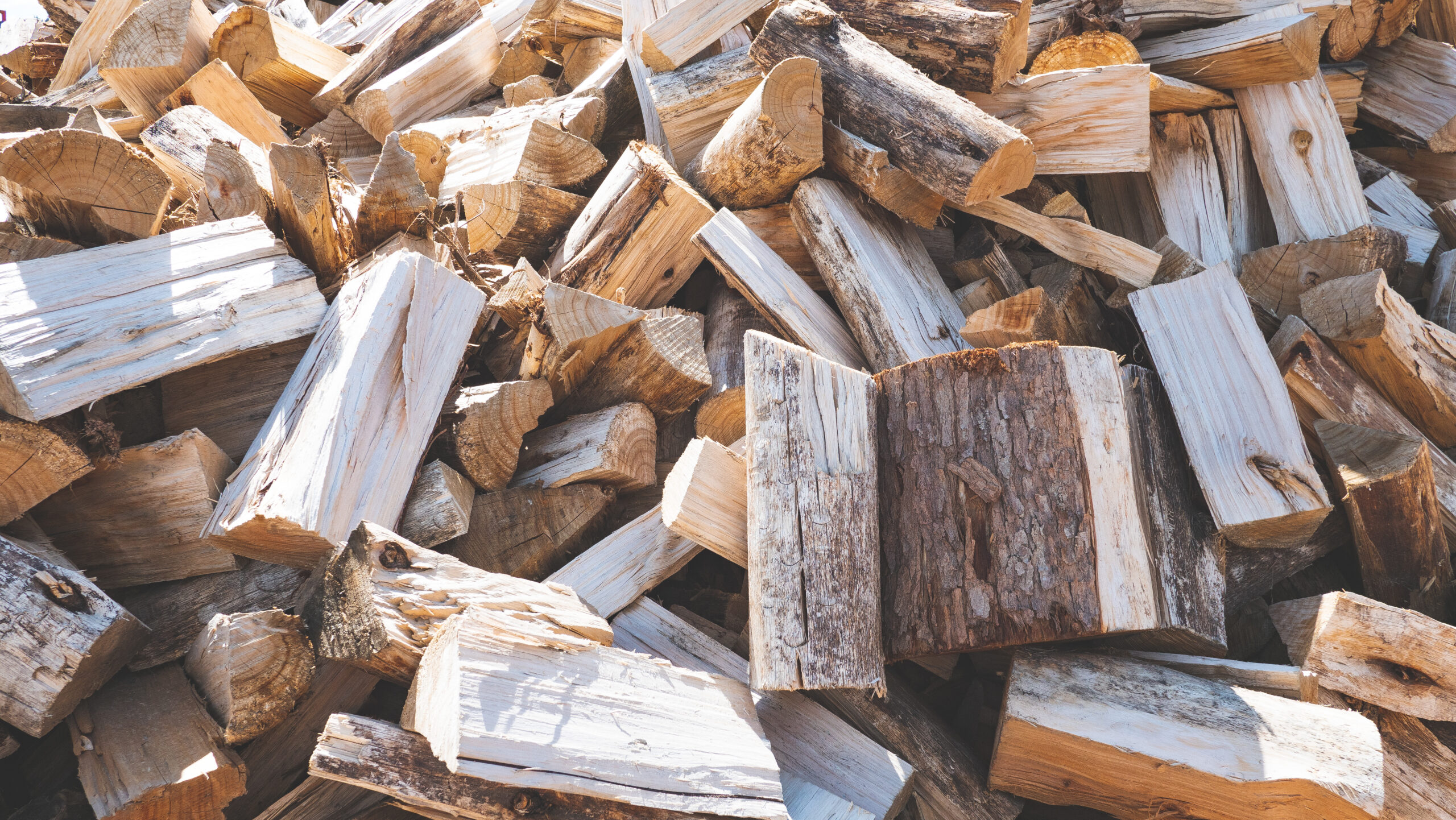
Manual firewood packaging is physically demanding work. One person, working efficiently, packages approximately one bag every two minutes. That’s the baseline.
At that rate, scaling your output means scaling your headcount. And in the firewood industry, that’s a structural problem. Your peak packaging demand arrives in fall, precisely when reliable seasonal labor is hardest to find and keep.
Manual packaging is physically taxing, which makes retention difficult. The result is a familiar cycle: train people, they leave; staff up for peak season, scramble when they don’t show.
The labor model for manual packaging is expensive, unpredictable, and difficult to scale when you need it most.
Throughput
What the MULTIPAK changes
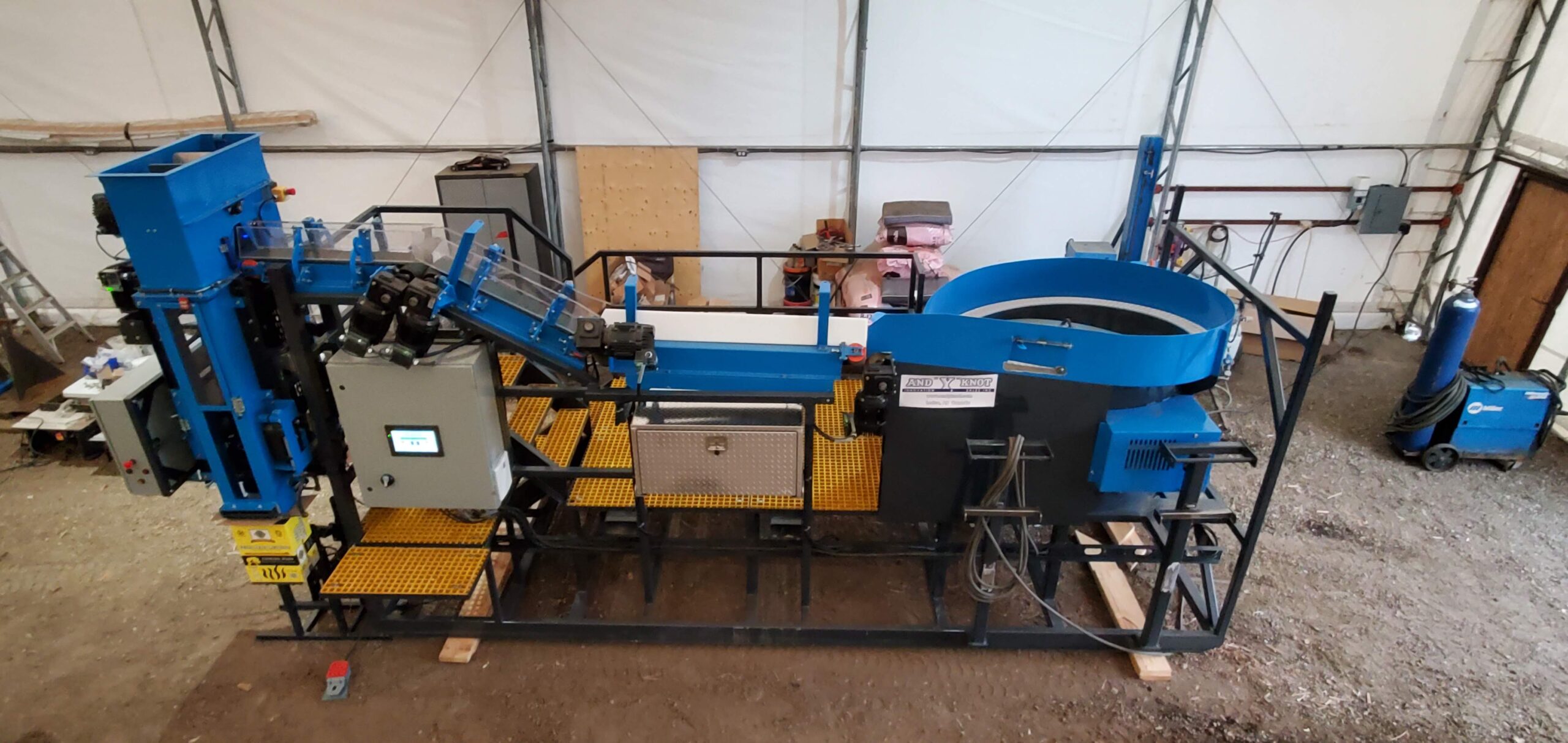
With two packaging operators, the MULTIPAK runs at 3 to 4 bags per minute — continuously. That’s not a peak number; that’s the operating rate.
The throughput comes from the dual-head design. While one bag fills and seals, the next opens and positions. The 60-inch turntable aligns the wood for continuous feeding into the packaging heads. The system doesn’t pause between bags.
That’s not a marginal improvement. And because output comes from the machine’s design — not the number of people on the floor — adding volume doesn’t mean adding headcount.
Return on Investment
Payback periods by production volume
AND “Y” KNOT publishes a detailed ROI analysis on the Product Specifications page. The model uses a contribution-to-machine-investment figure of $0.40 to $0.50 per bag — representing the net savings per bag when automated packaging replaces manual labor.
| Annual Bag Volume | Payback at $0.40 / bag | Payback at $0.50 / bag |
|---|---|---|
| 100,000 bags / year | 4.62 years | 3.70 years |
| 200,000 bags / year | 2.31 years | 1.85 years |
| 300,000 bags / year | 1.54 years | 1.23 years |
| 400,000 bags / year | 1.15 years | < 1 year |
Source: AND “Y” KNOT Product Specifications — payback modelled on contribution to machine investment per bag packaged.
Beyond Direct Labor
What the table doesn’t fully capture
The ROI model accounts for the direct labor savings. Three additional factors don’t appear in the table, but are real.
Pre-season inventory costs
Manual packaging forces production well ahead of peak demand because you can’t keep up in-season. The MULTIPAK lets you run leaner inventories and respond to actual demand in real time. That’s working capital freed up every year.
Recruitment and retention costs
High seasonal turnover in manual packaging operations means recurring recruitment, onboarding, and training — often during your most critical production window. Two long-term packaging operators running an automated system is a structurally different staffing model.
Output consistency
Consistent fill weight and bag presentation reduces complaints and returns. That’s hard to quantify precisely, but it’s a real advantage — particularly for operations supplying retail or wholesale accounts that require a consistent, reliable product.
Investment Fit
Who this makes sense for
See It Before You Decide
Run the numbers against your actual production volume.
AND “Y” KNOT offers on-site demos for serious buyers. Before committing to a capital purchase of this scale, see the machine run, ask your questions on the floor, and compare the numbers with your own operation.
